Discipline
We breed with purpose, consistency, and measured data. We design genetics that enhance productivity and efficiency and we back every decision with science and recorded evidence.

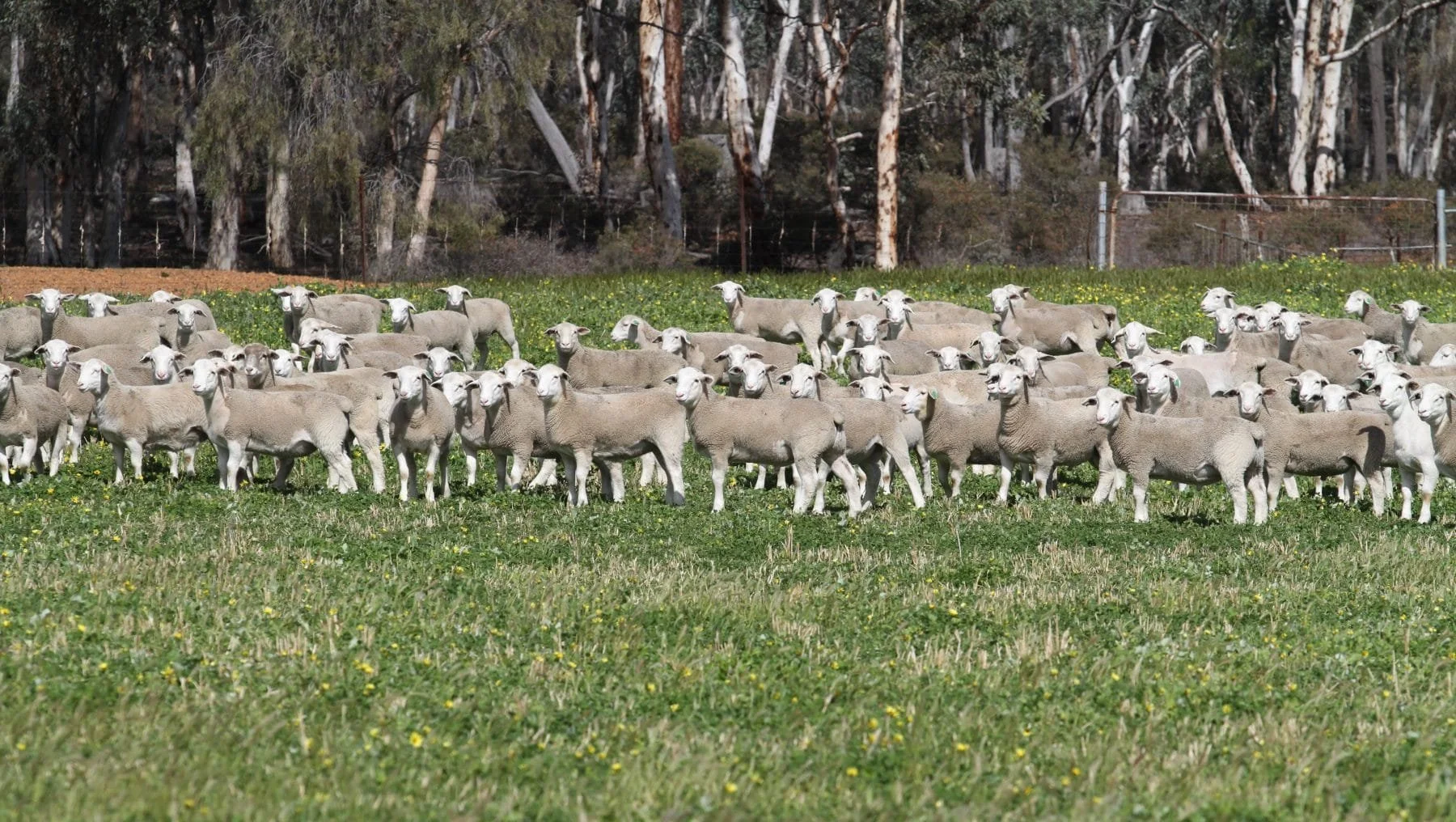
How we breed UltraWhites - and why our approach is different from the rest of the shedding category.
“To provide UltraWhite genetics with structural integrity, high fertility, and backed by full data and genomic testing.”
Hillcroft UltraWhites are bred with a focus on structure, performance and proof. The result is a line of UltraWhite genetics built to perform consistently and deliver measurable, profit-driven outcomes.
The shedding category is the fastest-growing segment of the Australian sheep industry. It is also the most crowded it has ever been. Buyers researching a shedding ram today face a wider field of breeds, studs and claims than at any point in the last decade.
That makes one question more important than it has ever been: how was this sheep actually bred, and what is the evidence that it will do what the seller says it will?
Our answer is a breeding philosophy built on three commitments - Fertility, Structural Soundness, and Proven Genetic Progress - and a refusal to make a claim we cannot back with data. That is the path by which we advance the standard of shedding sheep genetics in Australia.
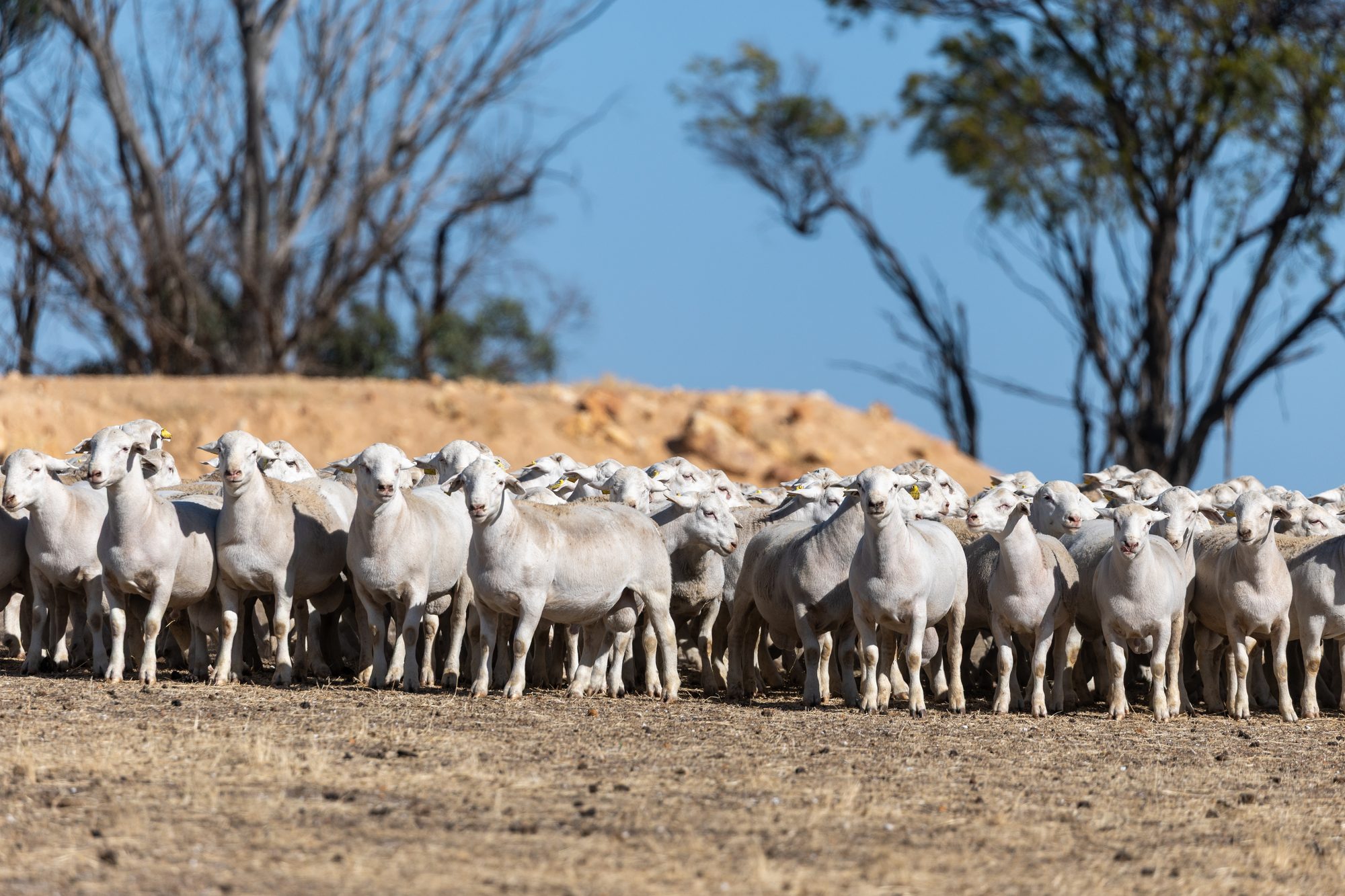
“Productive ewes and efficient reproduction are critical to flock performance and long-term return.”
Fertility is non-negotiable in our program. It is the trait that, more than any other, drives the return a commercial producer gets from a Hillcroft ram.
Our flock lambs three times in two years. Our scanning percentages sit in the top end of the shedding sector. And in 2015 we introduced an Australian-first development: the HFplus gene, a stabilised variant of the GDF9 gene sourced from New Zealand, designed to lift lambing percentage predictably without the management problems of other GDF9 variants in the market.
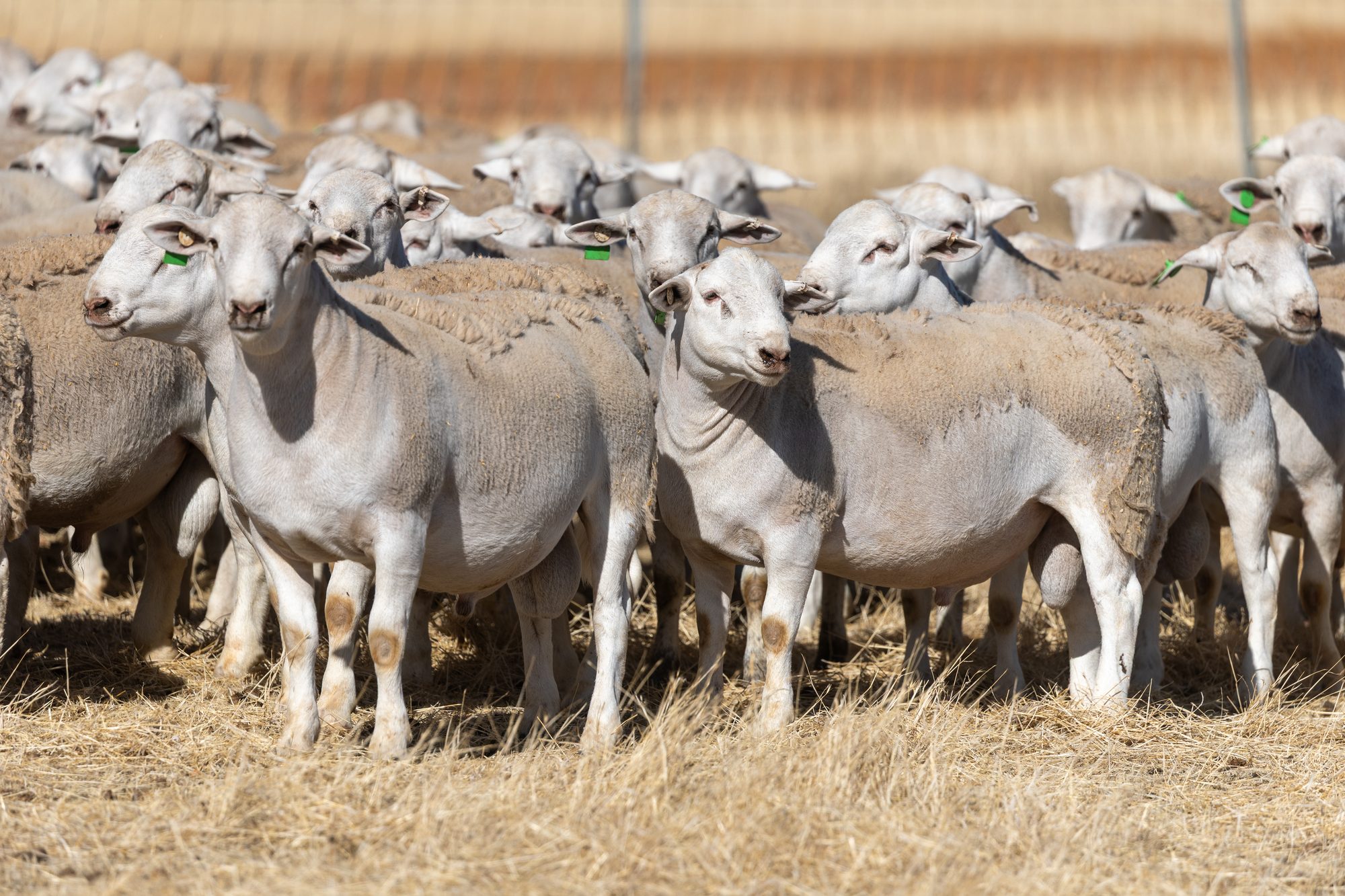
A shedding sheep is only as commercially useful as its ability to walk, work and last. Structure is where many shedding programs fall short - and where we have deliberately not.
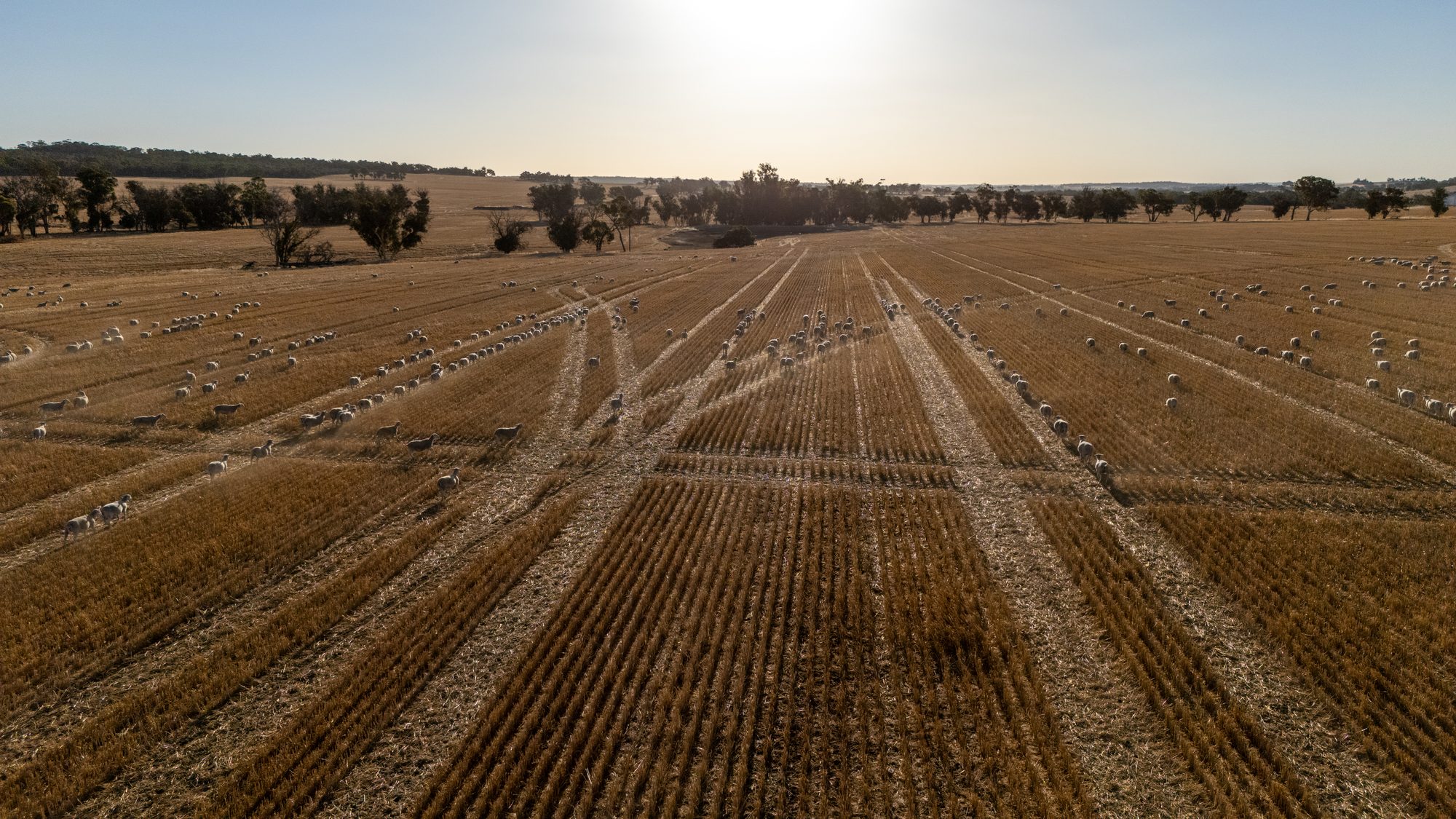
Every Hillcroft sire is selected for feet, frame, mouth and movement before any data is considered. We have culled hard on structural traits for two decades. Our rams are bred to hold up in paddock conditions across Australia - from the WA wheatbelt to the western plains of NSW to the rangelands of South Australia.
This is not a cosmetic claim. It is the reason our clients consistently report longer working lives from Hillcroft rams than from other shedding sources.
Every Hillcroft UltraWhite is recorded on LambPlan and genomically tested. We have been LambPlan users and advocates since the program began, and our breeding decisions are guided by both data and phenotype.
We record and report ASBVs for the traits that matter to commercial production:
Bred by data, proven in the paddock
The UltraWhite Sheep Breeders Association of Australia is one of only a few breed associations in the country that requires every registered sheep to carry six generations of pedigree and full ASBV records. All of that data is publicly available for industry to view and assess.
That standard isn't an inconvenience to us. It is exactly the kind of discipline the breed needs to maintain its credibility as it grows.
We breed with purpose, consistency, and measured data. We design genetics that enhance productivity and efficiency and we back every decision with science and recorded evidence.
We back our breeding decisions with data and proof. Evidence is central to the UltraWhite program because it provides us with clarity on our breeding direction, and our customers with greater certainty in what they're buying.
We value sheep that are productive, sound, and commercially relevant. Function keeps the program grounded in practical outcomes, fertility, structural soundness and sheep that excel in the paddock and as a finished product. This is what ensures our program delivers genetic packages that enhance both on-farm and carcass performance.
The breeding focus continues to evolve. The original brief was met years ago. The work now is to keep meeting the needs of the wider industry - producer, processor and consumer - without giving back any of the gains already made.
Some of these traits are already well established in the flock. Others are not far away. All of them reduce labour, improve welfare, and reduce chemical impact on the environment. None of them dilutes the existing program - they extend it.