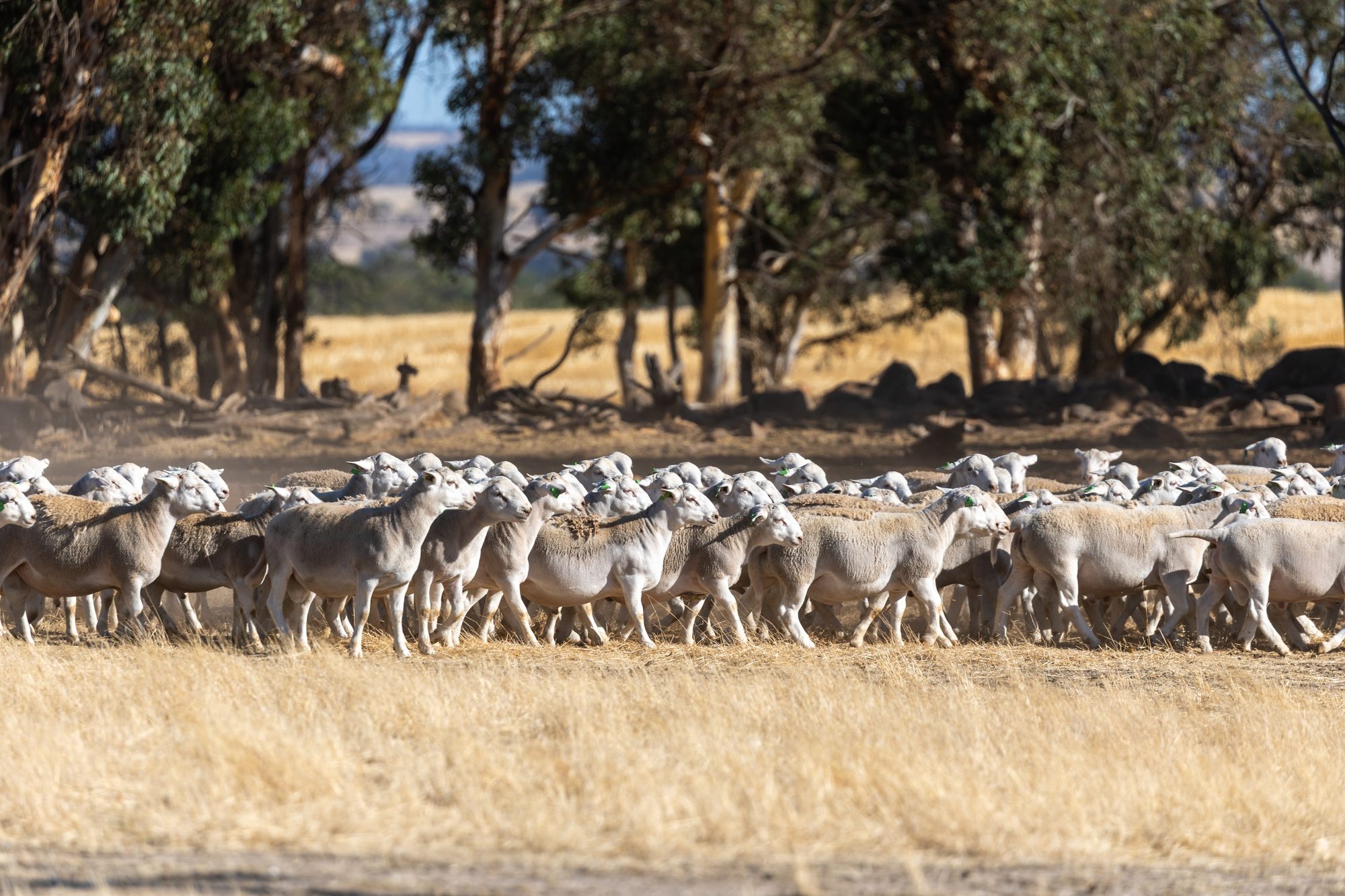
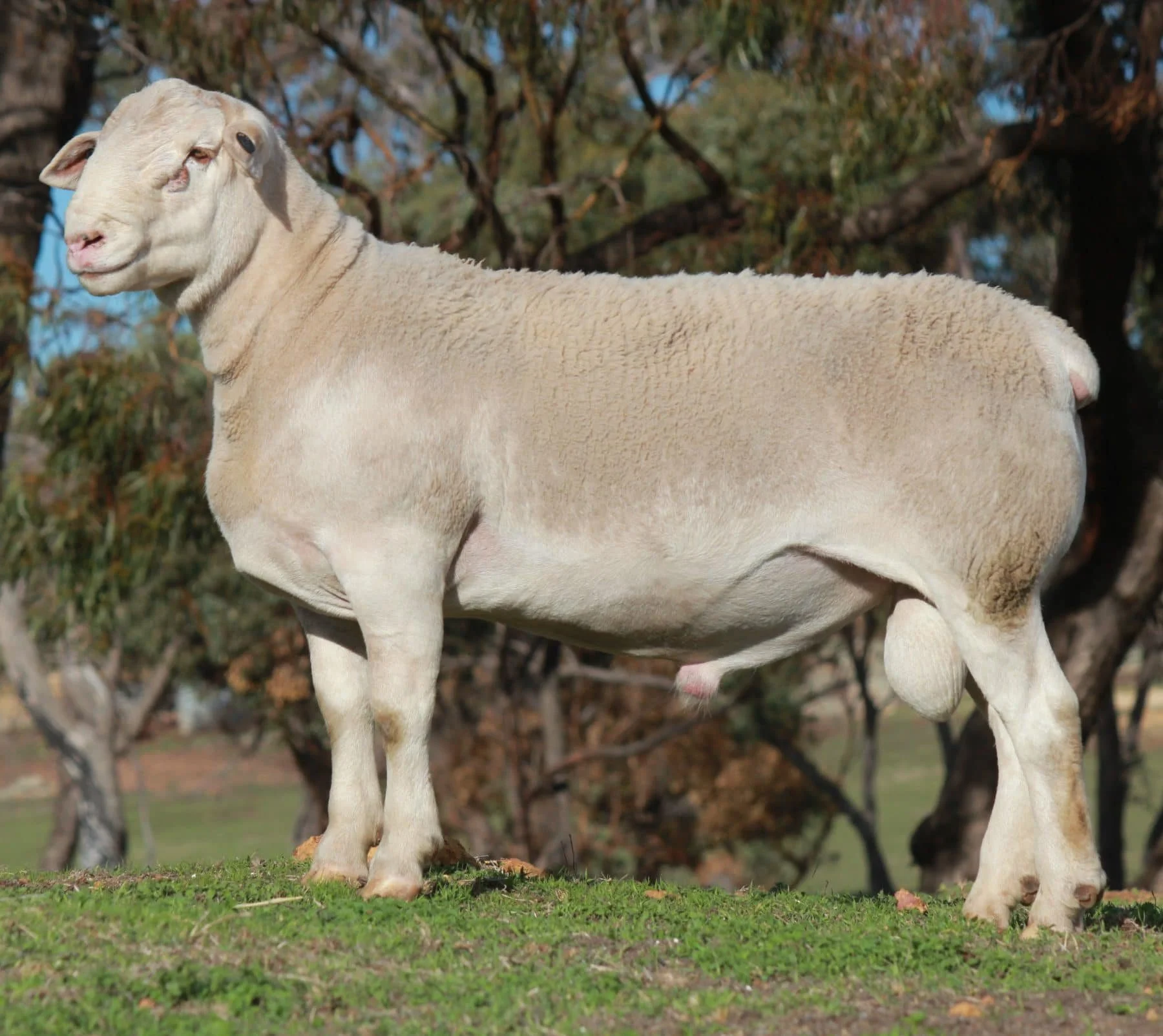
Many roads lead to UltraWhite.
There is no one right way to transition a commercial flock to shedding genetics. There is, however, a right way for your operation - and 20 years of working with producers has taught us what it looks like.
“If you don't know where you are going, any road will get you there.”
Before you buy a single ram, get clear on the flock you are aiming to build.
What scanning percentage are you targeting? What turn-off weight, and at what age? How much labour are you willing to commit, and how much do you want to remove? Are you planning to lamb once a year, twice a year, or three times in two? Are you keeping any wool sheep, or going fully shedding?
These aren't abstract questions. The answers shape the rams you should buy, the ewes you should keep, the ewes you should turn off, and the pace at which the transition should run. We're happy to work through them with you before you commit to a direction.
Let the data choose.
There are many breeds in the Australian market today that shed their wool. If you want to increase the likelihood that the transition pays off, it is essential that you use data to select the right animals - not just type, not just the breeder's reputation, but the underlying breeding values.
The UltraWhite breed was founded on data, and data sits at the centre of everything we do. Australia has one of the most powerful across-flock breeding value systems in the world - LambPlan - and every Hillcroft UltraWhite is recorded on it.
UltraWhites are reported under the terminal analysis in LambPlan, not the maternal analysis used by some other shedding breeds. The breeding values produced by these two analyses are not directly comparable, and a buyer who tries to compare them side by side will get a misleading picture.
If you're comparing breeds during your transition planning, get in touch and we'll walk you through what the numbers actually mean. This is the kind of distinction that costs producers money when they don't know to look for it.
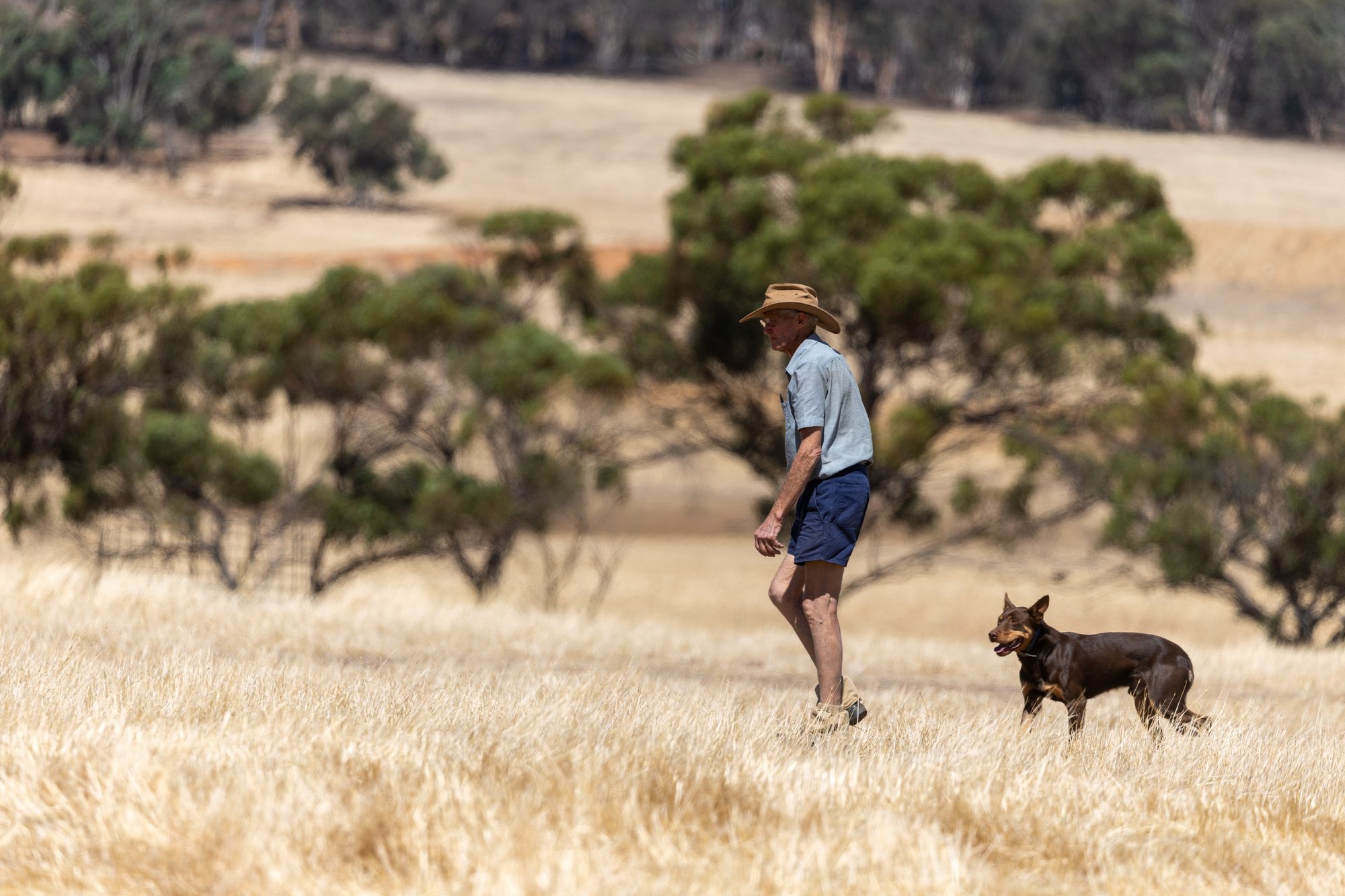
Many roads lead to UltraWhite
Find the path that's yours.
Read only the one that applies to you - each is self-contained.
01 Starting from composites
Easiest
Starting from composites
EasiestIf you are already running composite ewes and are frustrated with the labour overhead of a wool clip that is no longer paying you, this is the easiest of the three transitions.
Most composites already carry naturally bare points, and the UltraWhite cross works well over them. The shedding trait introduces cleanly into the F1 generation, and by the F2 (second) generation all lambs in the program will shed enough to remove the need for shearing entirely.
- In your first year, focus your ram team on fully shedding rams. This maximises the change in shedding outcomes in your F1 lambs.
- In later years, you can be less fussy about shedding scores in the rams themselves - by then, the trait is established in your flock.
- Expect occasional ewes to retain some wool. Use those ewes with a terminal ram and focus your retention on the cleaner shedders early on.
Realistic timeframe: meaningful change visible in year one. A fully shedding flock by year three to four.
02 Starting from Merino
Most complex
Starting from Merino
Most complexTransitioning from a Merino base is the most complex of the three options. We'll be straight about that.
Breeding shedding sheep up from Merino genetics takes time, and the economics of the transition are not favourable in the middle years. The value of the fleece drops considerably once a shedding breed enters the progeny - both because of hair contamination and because of reduced wool cut per head - while you are still having to shear progeny each year until at least the third generation. It is generally a 10-year program to reach a fully shedding flock by breeding up alone.
- Selling Merino ewes and buying in UltraWhites directly. This is the fastest path and the cleanest economic outcome.
- Buying composites or another shedding type to breed up from. Composites in particular accelerate the transition significantly.
Talk to us before you start. The right decision depends heavily on your region, your existing flock structure, and how quickly you need to be out of wool. There isn't a generic answer, and the wrong starting move adds years to the program.
03 Starting from other shedders
Easiest
Starting from other shedders
EasiestThis is the easiest of the three. Start buying UltraWhite rams. Start seeing the benefits.
That said, not all shedding breeds are equivalent, and most producers who switch from another shedding breed to Hillcroft UltraWhites do so for specific reasons - typically structural soundness, ewe fertility, or the depth of the data underneath the genetics. If you've worked with another shedding breed and felt something was missing, talk to us about what specifically you want to fix. The answer is usually in the ASBVs and the structural assessments, and we can show you both.
Two moves that consistently work.
The more effort you put in early, the faster the transition pays off.
Class your ewes hard
Split the ewes you're keeping into A and B mobs. The A mob - your best ewes - go to UltraWhite rams, and you retain ewe lambs out of them. The B mob goes to terminal rams, and all progeny are sold to slaughter. Alternatively, the B mob can also go to UltraWhite rams instead of terminals, and any well-shed lambs out of them can still be kept. This focuses your genetic effort where it pays. The A mob becomes the engine of your transition; the B mob keeps producing cash flow while you build the future flock underneath them.
Mate your ewe lambs
UltraWhite ewe lambs cycle and join successfully from seven months of age, with no detrimental effect on their lifetime performance provided they are looked after. Mating ewe lambs effectively shaves a generation off the transition. You're producing lambs from your young replacements a full year earlier than you would in a traditional system. Make sure they're up to mating weight, manage their nutrition through gestation and lactation, and the outcomes are excellent.
We have worked with commercial producers transitioning from every starting point across WA, SA, Victoria, NSW, and Queensland. Every transition is slightly different. We are happy to talk through the specifics of yours, whether you are buying your first UltraWhite ram or you are five years into the journey and ready to accelerate.
One or two short transition case studies - a composite-base producer and a Merino-base producer - showing the realistic timeline, the moves they made, and the outcome.