Management made easy.
Every job a shedding sheep removes from your calendar is hours, dollars, and decisions you get back. Here's what disappears when you run Hillcroft UltraWhites - and what it's worth.
Ten years since we last shore a sheep.
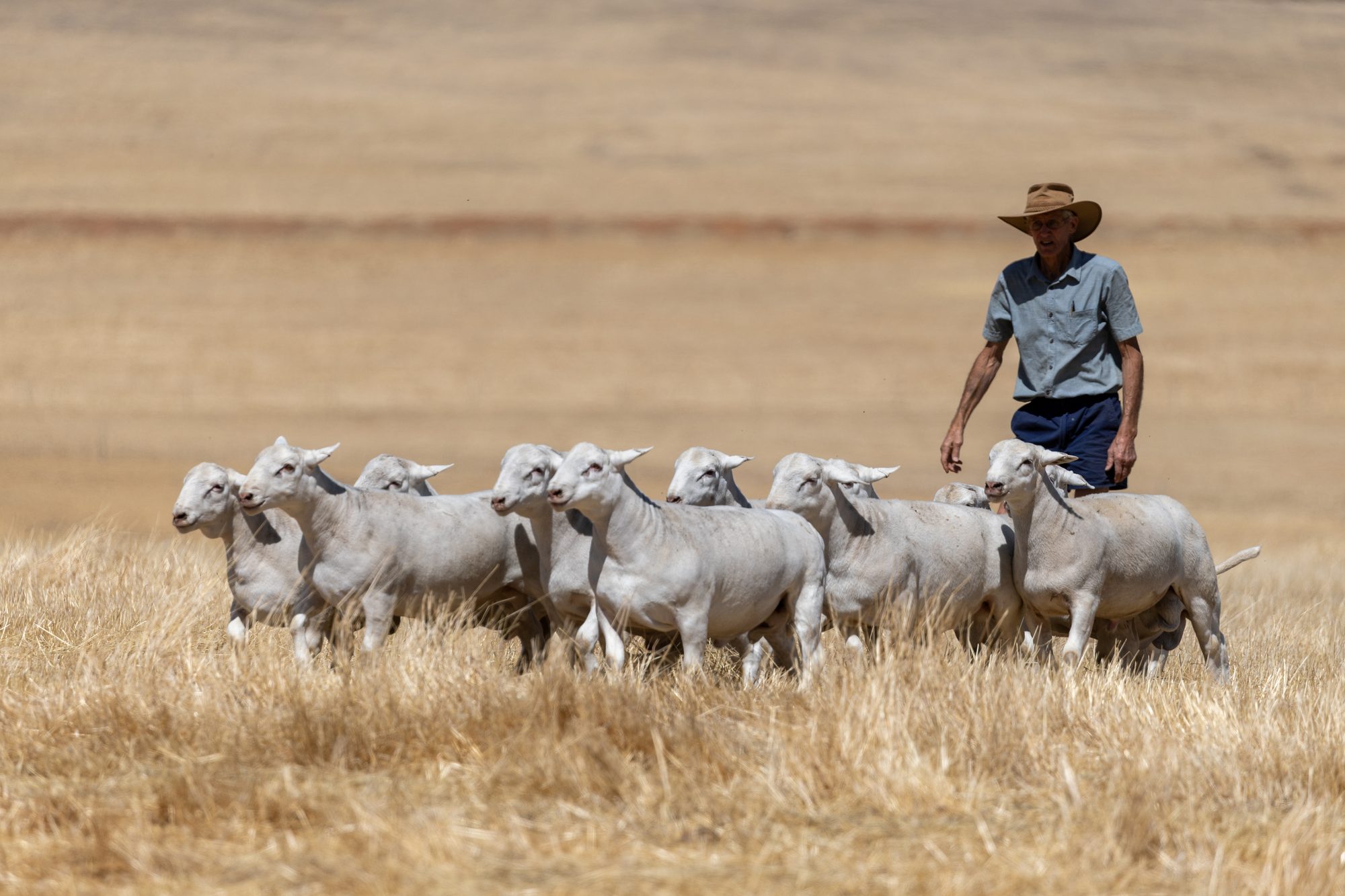
We haven't shorn a sheep at Hillcroft Farms in over ten years. We don't miss it. The headaches of securing shearers, the cost of a shed crew, and the diminishing return on the wool clip are all behind us.
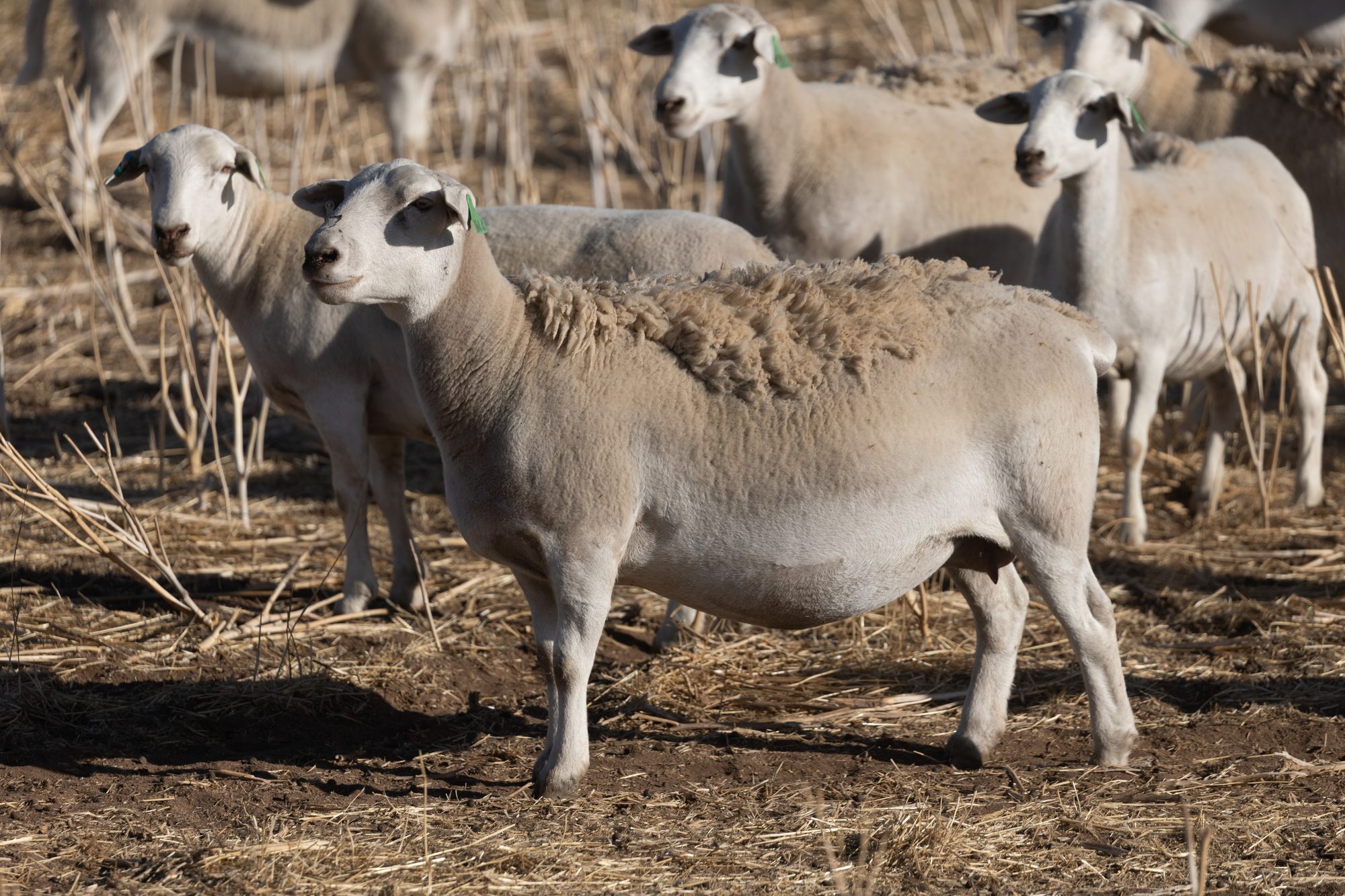
Around 70% of our flock sheds completely. The remainder hold an insignificant amount of wool that has no impact on health or performance. When we say we don't shear them, we mean none of them - including our sale rams.
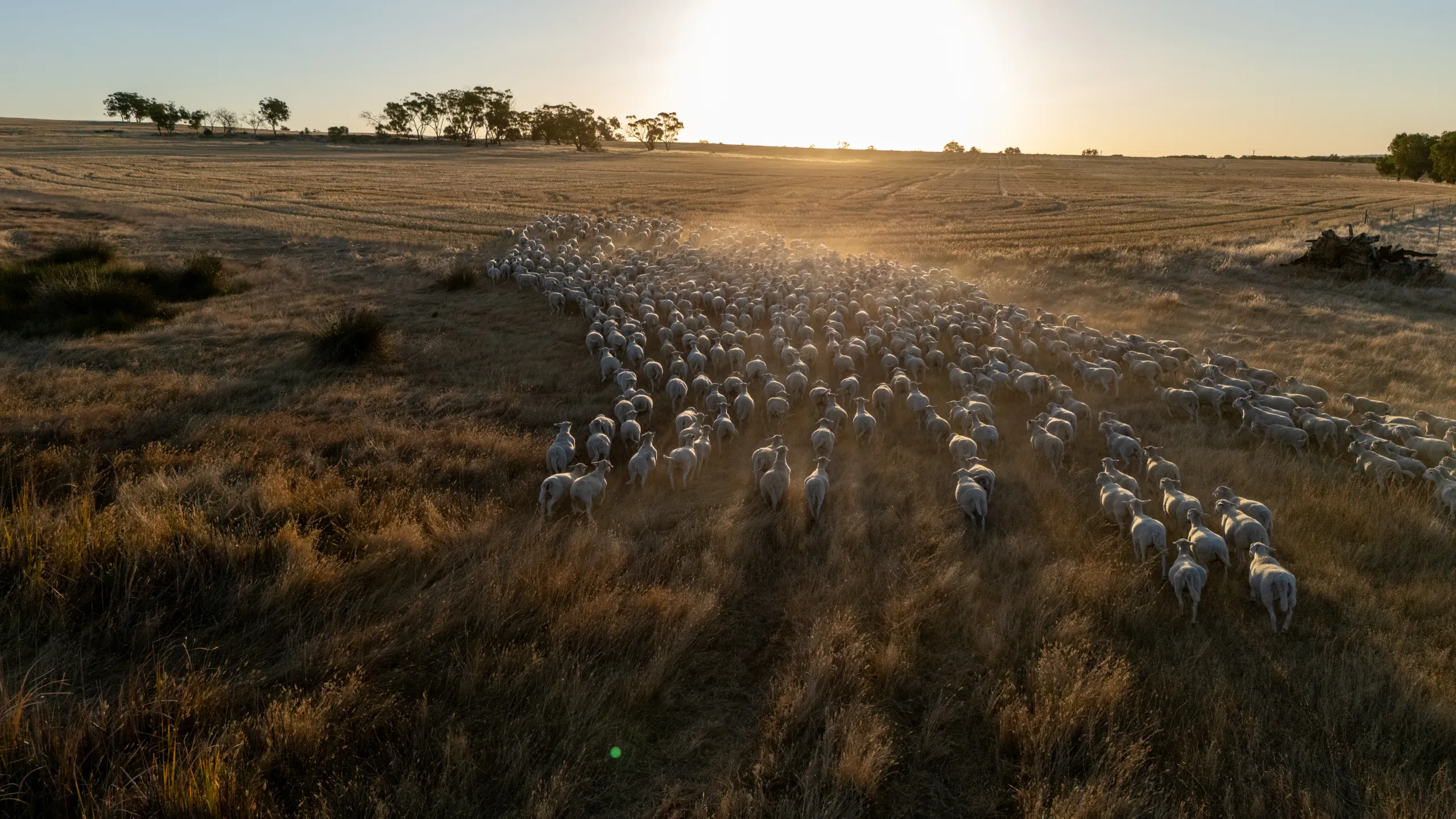
Ten years without a shearing shed
Nowhere for them to live.
An unexpected benefit of the shedding trait: lice cannot survive on UltraWhites. Without the cover of wool, there is nowhere for them to live.
We no longer treat our flock for lice. We have never seen lice on our sheep. That removes a recurring chemical cost, a labour overhead, and a withholding-period management headache from the operation. For producers who have battled lice in the past, this is often the benefit they value the most once they make the switch.
Shedding of the winter fleece causes some skin itching, and you will see wool accumulating along fence lines from sheep rubbing on them. This is not a lice infestation - we've checked, repeatedly. It's the natural shedding process, and it's temporary.
A naturally short tail.
When we started building the UltraWhite, the opportunity to think beyond standard production practices was one of the things that excited us most. Tailing - removing lambs' tails to prevent dag accumulation and fly strike - was high on the list of jobs we wanted to remove.
A naturally short tail doesn't accumulate dags, so the original reason for tailing falls away. But we wanted to be sure long tails wouldn't cause unintended problems, so we selected for shorter tails as well. We found tail length was strongly heritable, and we have made significant gains. Our lambs are no longer tailed.
The benefits go beyond saving time at marking. Leaving tails on is associated with reduced incidence of arthritis, vaginal and rectal prolapses, and vulva cancers later in life. It is sound welfare practice, and it removes one of the most stressful procedures from a lamb's first weeks of life.
The handbrake, off.
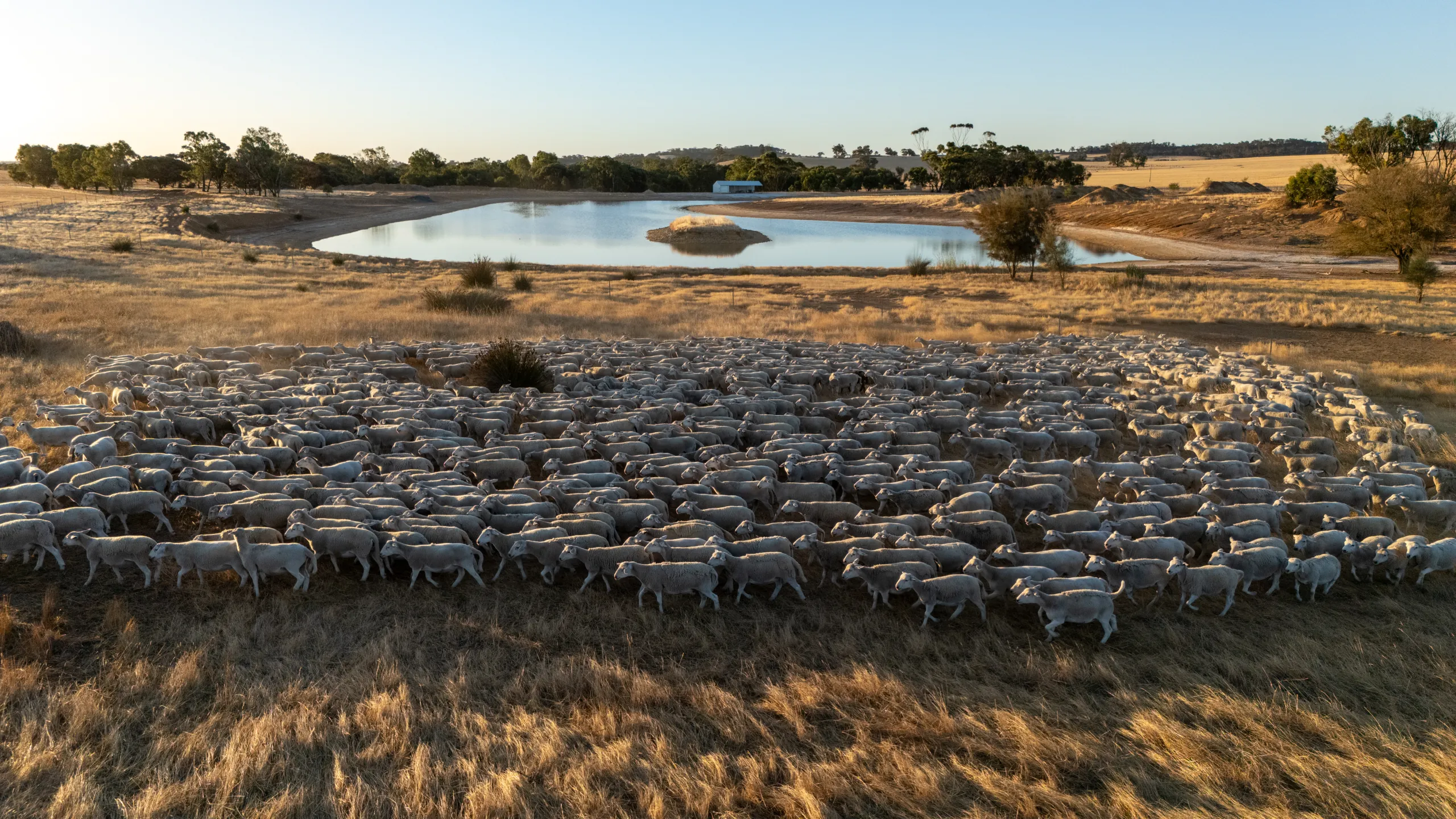
UltraWhites maintain weight on low-quality feed and lay down fat fast when conditions improve. It is as though removing the wool has taken the handbrake off and let them thrive.
For us, that means starting summer supplementary feeding later than we did when we ran wool sheep, and ceasing it earlier in autumn. Across a 5,000-head commercial operation, the cost and time savings are significant - and they compound year on year.
Profit drivers are time savers too.
Fertility, fecundity and growth are usually discussed as profit drivers. They are also time-saving traits, and they deserve to be considered as both.
- High fecundity means fewer ewes on farm to produce the same lamb crop.
- Fast growth means less time keeping lambs on feed to reach turn-off weight.
- Fewer jobs per ewe means less time in the yards across the year.
Each of these is a labour line item that disappears or shrinks. On a large commercial operation, they add up to the equivalent of additional staff.
Hours, dollars and decisions you get back
What you stop doing when you run Hillcroft UltraWhites.
- Booking shearers
- Crutching
- Wool classing and pressing
- Lice treatments
- Jetting for fly control (chemical)
- Tailing
- Late summer supplementary feeding (at the same rate)
- Worrying about wool prices